
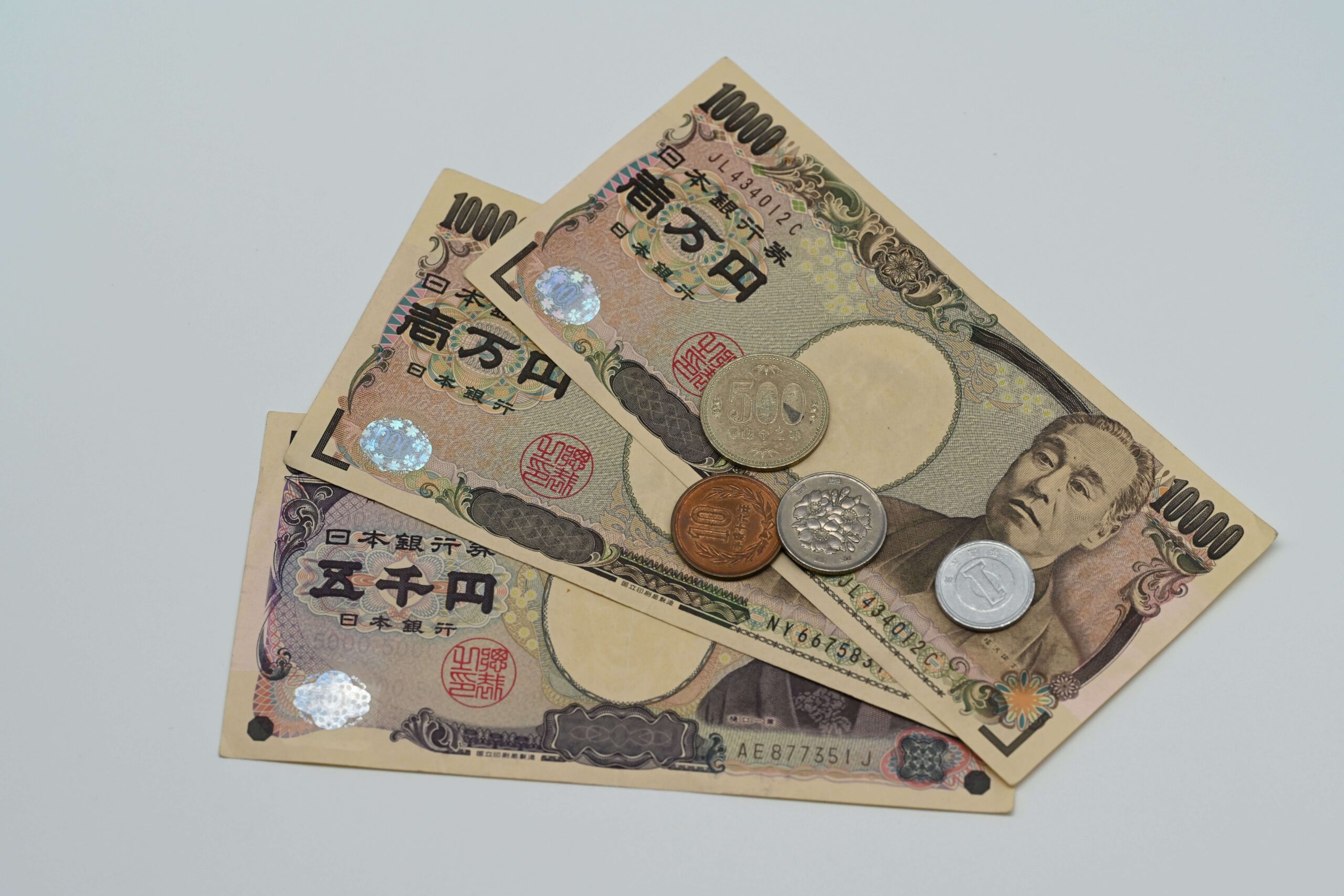
Not intervention. Not a Bank of Japan rate hike. A comment about pension funds investing more in domestic assets. That was enough to move the yen 100 pips in a hurry Friday. Whether it lasts is a different question.
What Actually Moved the Yen
Finance Minister Satsuki Katayama said Friday that Tokyo wants pension funds to increase investments in Japanese financial assets. Specifically calling out the Government Pension Investment Fund known as GPIF. Largest pension fund in the world managing around 293.6 trillion yen which is roughly $1.8 trillion at current exchange rates.
USD/JPY dropped from around 162.40 to 161.40. That is about 100 pips in a short window. Caught traders attention because it was not the usual intervention rumor or Bank of Japan rate speculation driving the move. This was about potential structural money flows into Japan.
If GPIF and other large pension funds shift a meaningful portion of assets back into domestic bonds and equities they have to buy yen to do it. That creates real sustained demand for the currency that does not depend on central bank action or government reserve spending. Different kind of support than what markets have been watching for.
Yen strengthened broadly not just against the dollar. Euro lost 0.3% against yen. British pound slipped 0.3%. Across the board yen buying suggesting traders took the pension comment seriously across multiple currency pairs.
Still Near 40 Year Lows Though
One hundred pips sounds significant and in intraday terms it is. But stepping back USD/JPY at 161.40 is still extremely close to the 40 year highs the pair touched recently above 162.80.
Broader trend has not flipped. Yen is still weak. Underlying reasons for that weakness have not changed. Fed is more hawkish than Bank of Japan. Rate differential between US and Japan remains enormous. Japanese fiscal policy is still loose. All of those structural factors continue pointing toward a weaker yen over time.
Friday’s move is better described as a counterpunch than a trend reversal. Yen found a reason to bounce. Does not mean the pressure is gone.
Why Pension Reallocation Matters More Than Intervention
Previous attempts to support the yen have relied on direct intervention. Government selling dollars and buying yen from foreign exchange reserves. Japan spent more than $70 billion earlier this year doing exactly that. Effect was temporary. Dollar came back and reclaimed most of those levels within weeks.
Pension reallocation is structurally different. If GPIF decides to shift more assets into Japanese stocks and bonds that is not a one time transaction. It is an ongoing change in how the world’s largest pension fund allocates capital. Regular buying pressure over months or years rather than a single large intervention that eventually gets faded by the market.
That is why traders reacted. Not because the announcement guarantees anything but because it opens the possibility of sustained support for Japanese assets including yen that does not burn through reserves.
Bigger Picture Still Complicated
Tokyo is managing multiple problems at once right now. Weak yen pushing up import costs. Volatile bond yields creating uncertainty in fixed income markets. Persistent inflation from higher energy prices tied to the Iran situation. Bank of Japan moving slowly on rates relative to global peers.
Pension fund reallocation addresses one piece of the puzzle. It could put a soft floor under yen and Japanese financial assets if it actually happens at meaningful scale. But it does not fix the interest rate gap with the US. It does not change the loose fiscal stance. It does not speed up BoJ tightening.
If the government follows through with actual policy changes that push GPIF toward more domestic allocation Friday’s bounce could have some staying power. If it stays as a comment without formal policy follow through the yen will drift back toward highs and traders will start testing 162 and beyond again.
For now yen gets a small breather. Dollar keeps the structural advantage. How long the breather lasts depends on whether Tokyo’s pension reform talk turns into something real over the coming weeks.