
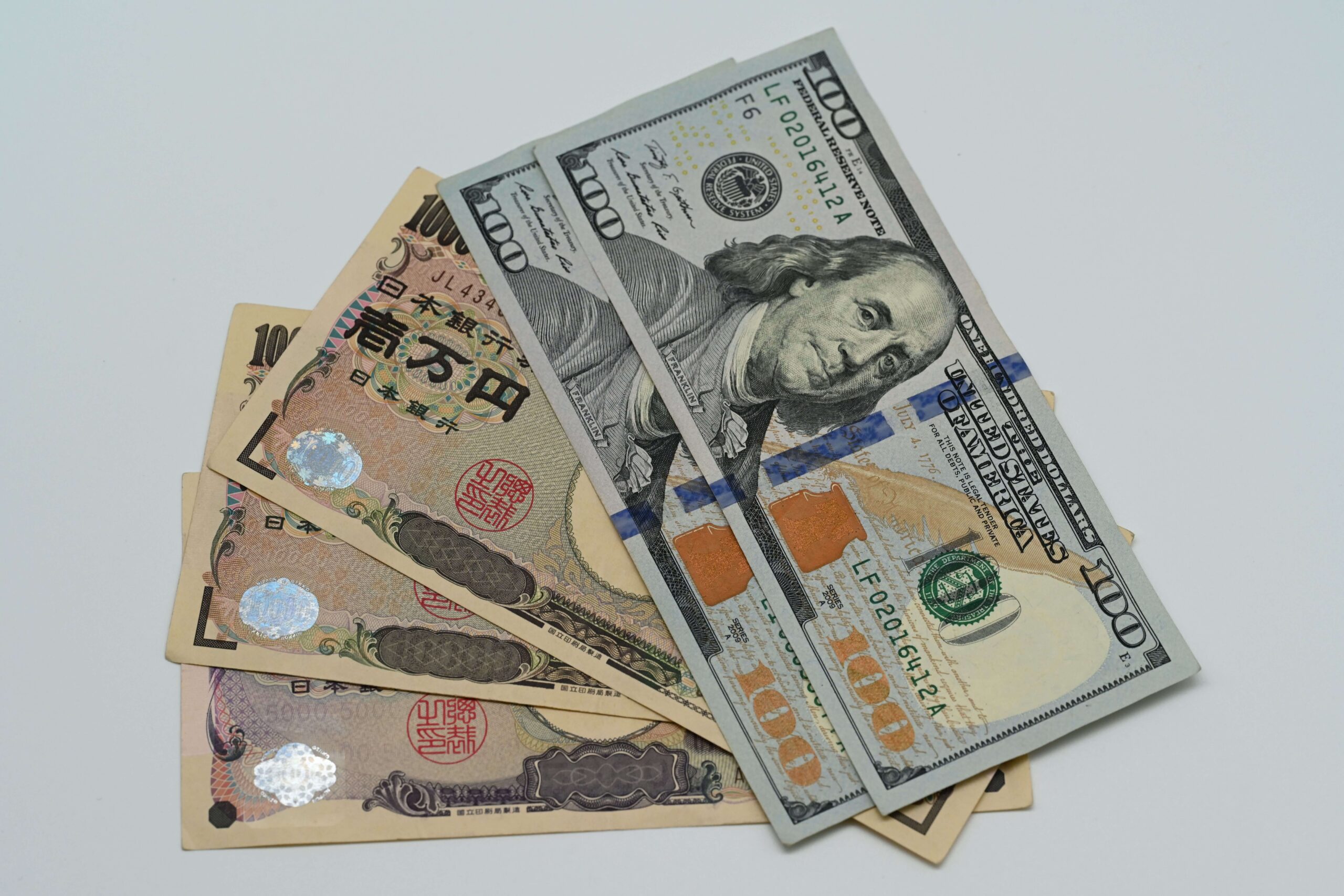
The Japanese yen dropped sharply on Friday, leading many traders to believe the Bank of Japan had intervened in the currency market. By Monday, however, USD/JPY had recovered above 162, erasing nearly all of Friday’s losses and keeping intervention speculation alive.
USD/JPY Erases Friday’s Losses
USD/JPY climbed back above 162.30 Monday. Friday it had fallen to 160.50. That is roughly 170 pips recovered in one session. All of Friday’s move gone.
Last week the pair hit 162.80 which was a fresh 40 year high for the dollar against the yen. The sudden drop from that level sparked immediate speculation that Japanese authorities had quietly stepped into the market and started buying yen to slow the decline.
No official confirmation ever came. No data showing large reserve movements. No announcement from Tokyo. Just a sharp move down and then silence. Dollar traders took that silence as a green light and put the trade right back on Monday morning.
Why the Japanese Yen Keeps Losing Ground
Fundamental problem for the yen has not changed. Policy gap between Japan and the United States keeps working against it.
Federal Reserve under Kevin Warsh is leaning hawkish. Rate hike by October is still priced into futures markets. Higher US rates make dollar assets more attractive to hold. Capital flows toward yield and right now the US offers more of it.
Bank of Japan raised rates to 1% recently. Historic move for Japan. Did almost nothing for the yen because 1% against 3.5% to 3.75% in the US is still a massive gap. Investors parking money in US bonds earn significantly more than parking it in Japanese bonds. That math drives the pair more than headlines or warnings do.
Japanese government is also leaning toward fiscal spending rather than tightening. More government spending increases money supply. Increased money supply weakens currency. Delayed rate hikes from BoJ keep the yield differential wide. Both things push yen lower.
Will the Bank of Japan Intervene Again?
Nobody knows the exact level. That uncertainty is partly intentional. If Japan announced a precise intervention trigger traders would just position around it.
Most currency strategists think 165 is the zone where Tokyo starts getting genuinely uncomfortable. That is about 270 pips from where the pair is trading Monday. Not a huge distance given recent daily ranges.
Some analysts think if Japan stays quiet past 165 the pair could push toward 170. Combination of loose Japanese policy and potentially higher US rates gives dollar bulls enough fundamental backing to keep pushing. Intervention slows the move. Does not reverse the underlying cause.
Last major intervention Japan did cost about $75 billion from reserves. Knocked roughly 500 pips off the pair in a short time. Then over the following weeks the market reclaimed all of those losses and pushed to new highs. That pattern is exactly what just played out again on a smaller scale with Friday’s drop and Monday’s reversal.
Reserves Are There but Not Unlimited
Japan has roughly $1.3 trillion in foreign reserves available for currency operations. Large number. Sounds like it could fund unlimited intervention.
It cannot. Using reserves to fight a currency move that is fundamentally driven by interest rate differentials is expensive and temporary. You can slow the decline. You cannot stop it without changing the underlying reason it is happening. And the underlying reason is that the Fed is more hawkish than the Bank of Japan and that gap is not closing quickly.
Each intervention burns reserves and buys time. If the policy gap stays wide the market comes back and tests the level again. Japan knows this. Which is why the warnings keep coming but actual confirmed action has been rare and carefully timed.
USD/JPY Forecast: What Traders Are Watching Next
Two things decide where this pair goes from here.
First is Fed. If rate hike expectations cool because of weak data like last week’s jobs miss the dollar loses some support and yen gets a small natural relief. If data stays strong and September hike gets fully priced in dollar pushes higher and yen gets weaker.
Second is Japan. If Tokyo intervenes around 165 it creates a short term ceiling. Aggressive enough intervention with follow through statements could push the pair back toward 160. But without a genuine policy shift from BoJ the fundamental pressure stays and the market eventually tests those levels again.
Tug of war is not over. It has just moved up the chart by about 500 pips from where it started earlier this year.
You might also like
Useful Resources
Japan shifts to ambush intervention tactics against yen short sellers